BC Forestry Industry Challenges 2026: What Equipment Operators Need to Know Now
Key Takeaways
- Lumber export declines to key markets are forcing BC forestry operations to diversify and adapt equipment strategies
- New carbon pricing policies effective in 2026 are increasing operational costs for fuel-dependent equipment
- Fibre recovery and wood waste processing present growth opportunities for operators with the right machinery
- Smaller, more efficient equipment is gaining traction as operations scale down or pivot to salvage work
- Government incentives may offset equipment upgrades that reduce emissions and improve efficiency
Introduction
The BC forestry industry challenges 2026 are unlike anything operators have faced in the past decade. Between declining export volumes, shifting carbon regulations, and ongoing workforce pressures, forestry contractors across British Columbia are being forced to rethink how they operate—and what equipment makes sense for the road ahead.
At BC Equipment Sales, we work directly with forestry operators, municipalities, and land clearing contractors throughout the province. As the BC Territory Manager for Vermeer Canada, we see firsthand how policy changes and market shifts affect equipment decisions on the ground. This post breaks down the key challenges facing the industry right now and what they mean for your operation.
Export Declines Are Reshaping BC Forestry Operations
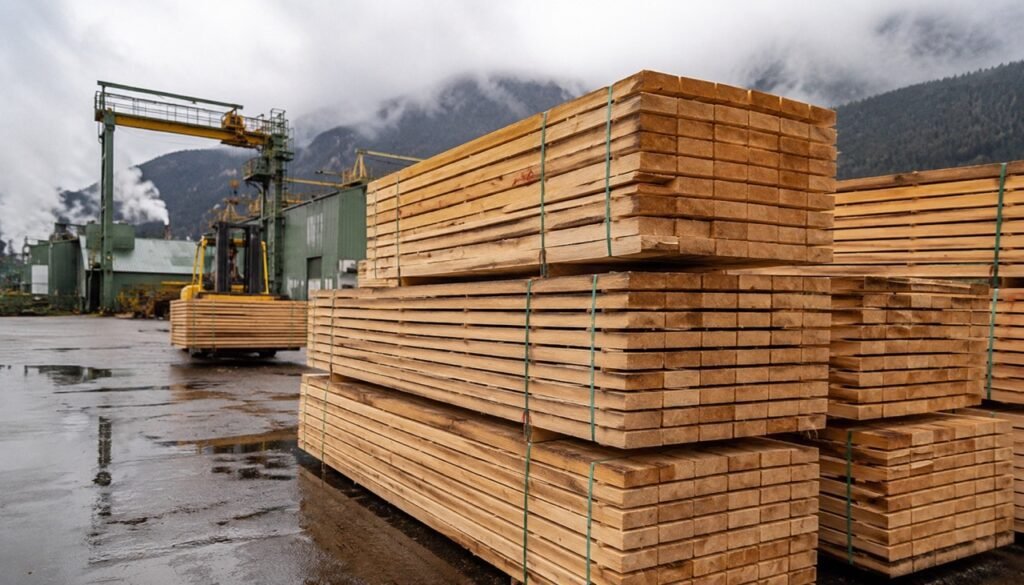
BC’s forestry sector has historically relied heavily on exports to the United States, China, and Japan. However, 2026 has brought continued softening in these markets. U.S. softwood lumber duties remain a persistent issue, while demand from China has not rebounded to pre-pandemic levels. According to the BC Ministry of Forests, provincial timber harvest levels continue to trend below historical averages.
For equipment operators, this means fewer large-scale logging contracts and more competition for the work that remains. We’re seeing contractors pivot toward smaller jobs—land clearing for development, right-of-way maintenance, and wildfire fuel management. These applications require versatile equipment that can handle variable material without the overhead of a full logging spread.
What This Means for Equipment Choices
Operators are prioritizing equipment that serves multiple purposes. Horizontal grinders and whole-tree chippers, for example, can process logging slash, land clearing debris, and storm damage material. Vermeer’s forestry line, including the FT300 Forestry Tractor, offers the kind of flexibility operators need when job types vary month to month.
Carbon Policy Changes Are Increasing Operating Costs
British Columbia’s carbon tax increased again in April 2026, now sitting at $80 per tonne of CO2 equivalent. For diesel-powered forestry equipment running long hours, fuel costs have become a serious line item. The provincial government has also introduced stricter reporting requirements for large emitters, adding administrative burden for mid-sized contractors.
These policies aren’t going away. The BC Climate Action Secretariat has signaled further increases through 2030, meaning equipment efficiency is now a financial priority—not just an environmental one.
Opportunities in Efficiency Upgrades
The silver lining: provincial and federal programs are offering incentives for equipment that reduces emissions or improves fuel efficiency. Tier 4 Final engines, which are standard on current Vermeer equipment, meet the strictest North American emissions standards. If you’re running older machinery, now may be the time to consider an upgrade—not just for compliance, but for long-term cost savings.
If you’re evaluating your current fleet, reach out to our team to discuss options that fit your operation and budget.
Fibre Recovery and Wood Waste Processing: A Growing Opportunity
While traditional logging faces headwinds, fibre recovery is emerging as a bright spot. Mills, pellet producers, and biomass facilities across BC are actively seeking wood fibre—and they’re willing to pay for processed material. Slash piles, storm damage, and beetle-kill timber that once sat unused are now potential revenue streams.
This shift is driving demand for horizontal grinders and tub grinders capable of producing consistent chip sizes for end users. Vermeer’s HG6000 and HG4000 horizontal grinders are built for high-production grinding and are well-suited to BC’s variable terrain and material types. For operations looking at used options, browse our current inventory at BC Equipment Sales for available grinders and chippers.
Salvage and Fuel Management Work
Post-wildfire salvage and fuel management contracts continue to grow as the province invests in fire prevention. The BC Wildfire Service and regional districts are funding projects to reduce fuel loads in the wildland-urban interface. Contractors with chippers, mulchers, and compact forestry equipment are well-positioned to bid on this work.
Workforce Pressures Continue to Impact Operations
Finding skilled operators remains one of the top BC forestry industry challenges 2026 has carried forward from previous years. Retirements are outpacing new entrants, and remote job sites make recruitment even harder. For contractors, this means placing greater value on equipment that’s intuitive to operate and doesn’t require extensive specialized training.
Vermeer equipment is designed with operator comfort and ease of use in mind. Features like simplified controls, clear sightlines, and accessible service points reduce training time and help retain operators who might otherwise move to less demanding industries.
Technology as a Workforce Multiplier
Telematics and remote monitoring are also helping smaller crews do more. Vermeer’s fleet management tools allow owners to track machine hours, location, and maintenance alerts—keeping equipment productive even with limited supervision.
Planning Ahead: What Smart Operators Are Doing
The operators adapting best to BC forestry industry challenges 2026 share a few common traits:
- Diversifying services: Adding land clearing, mulching, or grinding to traditional logging work
- Right-sizing equipment: Matching machine capacity to actual job requirements instead of over-investing
- Tracking costs closely: Knowing true operating costs per hour to bid accurately
- Staying informed: Following policy changes and market signals from industry sources like BC Equipment Sales
We’re committed to helping BC operators navigate these shifts. Whether you’re looking for new Vermeer equipment or quality used machines from trusted brands, we offer the local insight and direct manufacturer access to help you make the right call.
Conclusion
The BC forestry industry is changing—but change also brings opportunity for operators willing to adapt. If you’re evaluating equipment needs for 2026 and beyond, contact us at BC Equipment Sales to discuss what machines make sense for your operation and the work ahead.